
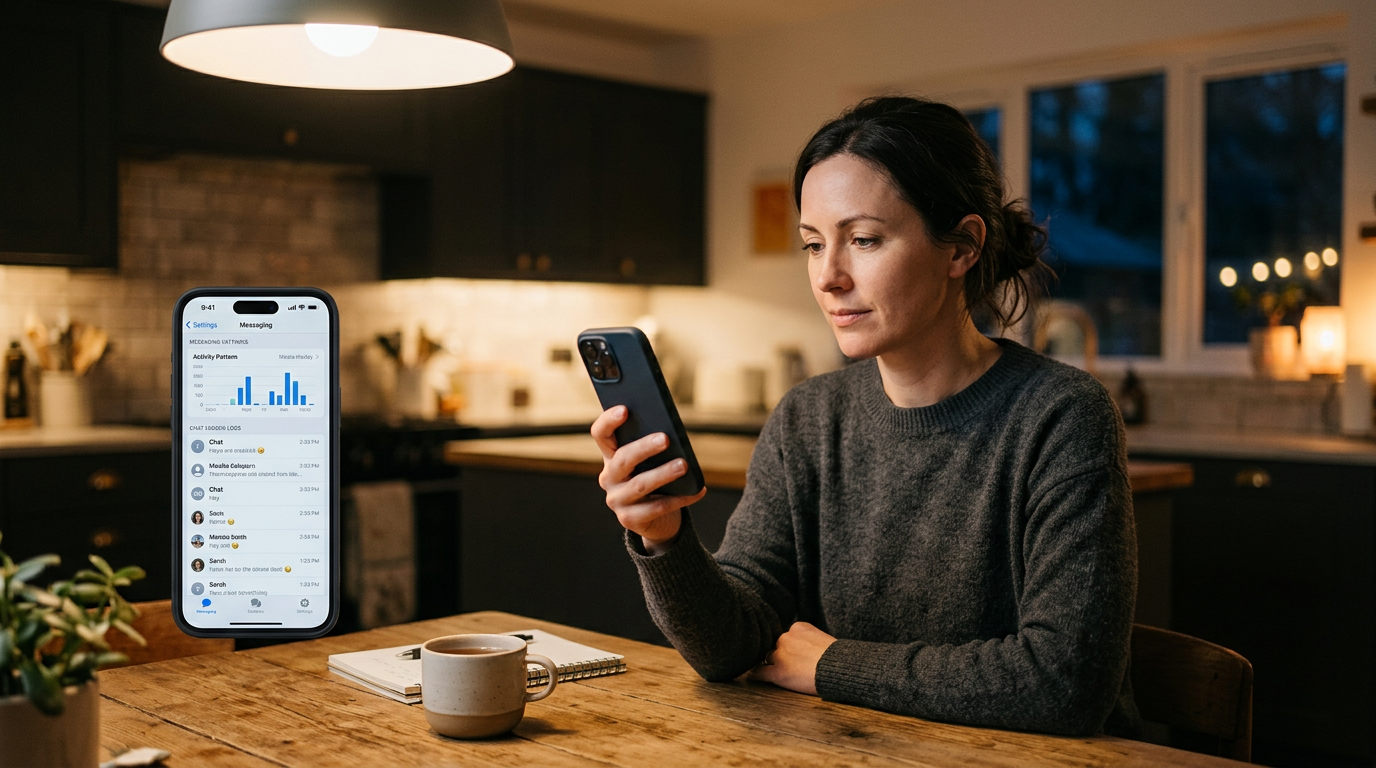
Hitting 50,000 users usually reveals something simple: people do not want more notifications, they want clearer patterns. For a whatsapp and telegram activity tracking uygulama, the real value is not constant checking but helping people understand last seen, seen timing, and online habits in a way that is easier to interpret over days and weeks.
That is the most useful way to read a milestone for When: WA Family Online Tracker. It is a mobile app for people who want direct, organized tracking of WhatsApp and Telegram online status patterns on their phones, without relying on messy manual checking through whatsapp web or telegram web tabs. The number matters only because, after enough real-world use, certain lessons stop being guesses and start becoming consistent.
The first big lesson: people are not looking for constant surveillance
A milestone like 50,000 users can sound like a product story, but it is really a behavior story. Most people who try a last seen tracker are not trying to watch every second of someone’s day. They are usually trying to answer a narrower question:
- Is there a reliable pattern behind irregular online times?
- Did I miss a routine shift in availability?
- Is manual checking making this feel more confusing than it should?
That distinction matters. A useful seen tracking tool is not about drama. It is about reducing guesswork. Once that becomes clear, user feedback changes too. Instead of asking for more noise, people ask for cleaner timelines, clearer summaries, and fewer steps.
What people actually compare before choosing an app like this
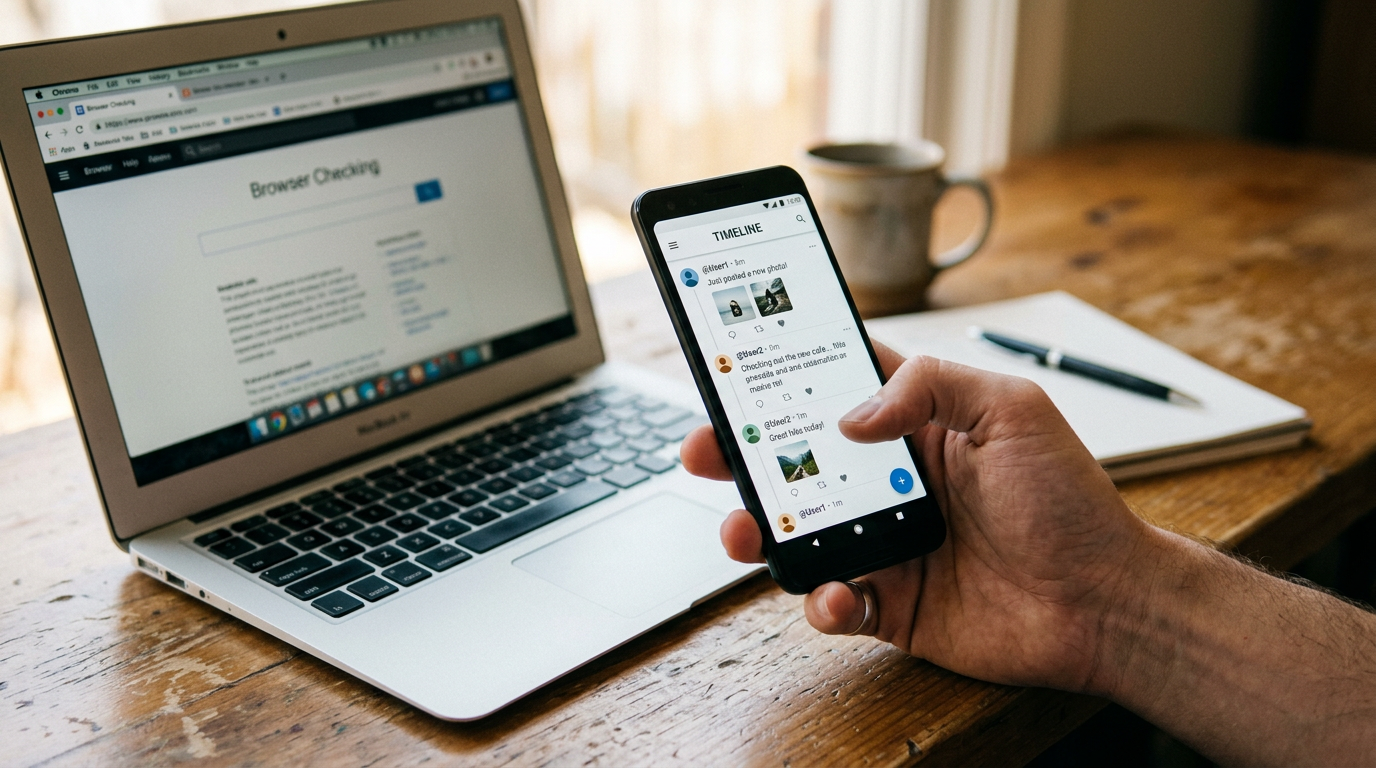
By the time a tracking app reaches broader adoption, users have usually tried other methods first. Some rely on screenshots. Some keep switching between whatsapp web, telegram web, and the phone app. Others test unofficial routes like gb whatsapp, then realize that reliability, privacy, and consistency are bigger concerns than they expected.
That comparison tends to narrow the decision to a few practical criteria:
- Clarity over raw data
If an app shows activity but makes it hard to interpret, people abandon it. Users want direct summaries, not just a stream of timestamps. - Ease of use
A family-focused tool should not feel like a technical dashboard. Setup needs to be straightforward, especially for parents and partners who are not looking for a hobby project. - Consistency across routine use
The first day is not the real test. The real test is whether the app still makes sense after a week of checking patterns. - A realistic scope
People trust apps more when they do one job clearly. For this category, that means last seen, seen timing, and online pattern tracking for whatsapp and telegram, not a bloated list of unrelated features. - Pricing that matches the use case
Users in this category often decide quickly whether occasional monitoring or regular tracking is worth paying for. Confusing pricing is one of the fastest ways to lose trust.
This is also where a dedicated mobile app differs from improvised alternatives. A browser tab on whatsapp web or telegram web can show status in the moment, but it does not necessarily help you understand change over time. A purpose-built tool is more useful when it turns scattered checks into a readable timeline.
The feedback that matters most is usually boring
The loudest user feedback is rarely the most valuable. Milestones become meaningful when you notice the quieter patterns in reviews, support messages, and repeat usage.
For example, the most credible positive signals in this category are not dramatic claims. They sound more like this:
- “I stopped checking the app every few minutes because the summary was enough.”
- “It helped me notice a routine instead of guessing.”
- “It was simpler than trying to compare whatsapp and telegram manually.”
That kind of feedback says more than flashy praise. It suggests the app is doing what it should do: reducing friction. A milestone post should be honest about that. Good retention often comes from small, practical improvements, not from novelty.
Who tends to get value from this kind of tool?
The clearest audience for When: WA Family Online Tracker is people who want structured visibility into messaging app activity patterns on mobile. In practice, that usually includes:
- Parents who want a better sense of routine usage without sitting on whatsapp web all evening
- Couples or family members trying to understand availability habits more clearly
- Users who track repeated online windows across both whatsapp and telegram instead of checking one app at a time
- People who prefer an app experience over piecing information together manually through telegram app screens or browser sessions
If you want organized pattern tracking rather than scattered checks, When: WA Family Online Tracker’s core monitoring flow is designed for that.
And who is this not for?
This is where credibility matters. Not every user is a good fit for a last seen tracking app.
- It is not for people looking for broad phone monitoring or unrelated device control features.
- It is not for users who expect one timestamp to explain someone’s behavior.
- It is not for anyone who prefers not to track messaging activity at all and simply wants less digital information.
- It is not for people who enjoy tinkering with unofficial workarounds and are comfortable with the instability that can come with them.
A clear boundary makes the product easier to understand. It also helps users choose tools based on the outcome they actually want.
A milestone is also where misconceptions become obvious
Once enough people use a tool, you start seeing the same misunderstandings repeat. In the whatsapp last seen space, one of the most common mistakes is assuming more data always means more certainty. It does not.
A single last seen moment is just a point in time. A sequence of activity windows is a pattern. That difference explains why some users get useful insight and others end up reading too much into isolated moments.
Another misconception is that browser-based checking is automatically “good enough.” For occasional use, maybe. But many users eventually learn that constantly refreshing whatsapp web or telegram web creates a false sense of control while making it harder to recognize the bigger picture.
Milestone feedback tends to reinforce the same conclusion: people stay with a tracking app when it saves attention, not when it demands more of it.
A few practical questions real users tend to ask
Does tracking last seen mean I need to watch the app all day?
No. The better approach is the opposite. A useful app should make it easier to review patterns without constant monitoring.
Why not just use whatsapp web or telegram web?
Those options are fine for checking the moment. They are less helpful if your goal is understanding repeated behavior over time.
Is a dedicated telegram app or whatsapp interface enough on its own?
For casual use, yes. For structured tracking across routines, many users prefer a separate tool built around monitoring and summaries.
What about unofficial options like gb whatsapp?
Many users look at unofficial alternatives when they want more visibility, but reliability and trust usually become concerns quickly. A dedicated tracking app is typically chosen because it offers a clearer, more focused use case.
What user retention usually means in this category
Retention is often misunderstood. People assume it proves excitement. In this category, it more often proves usefulness. A whatsapp and telegram tracker that keeps users over time is usually doing three things well:
- It removes repetitive manual checking
- It presents activity in a way people can interpret quickly
- It stays focused on the reason people downloaded it in the first place
That focus matters more than feature count. Plenty of apps lose momentum because they add complexity before they improve comprehension. Milestones are a good moment to remember that simpler often wins.
It is also worth noting what a milestone does not prove. It does not mean every user has the same goal. It does not mean every feature should expand. And it certainly does not mean the app should start sounding bigger than it is. A grounded reading is better: enough people have used it to show which jobs matter most.
What 50,000 users can teach a product team
At this stage, the best product lessons usually become very practical:
- People want fewer confusing steps between setup and first insight.
- They care more about readable summaries than technical-looking screens.
- They compare dedicated tools against habits, not just against other apps.
- Trust grows when the app’s purpose stays narrow and understandable.
That last point is easy to miss. Users often prefer an app that does one thing directly and clearly over one that tries to be everything. That is especially true for family-oriented monitoring tools.
It is part of a broader mobile app approach often seen across focused utility products from teams like Frontguard’s app portfolio: define the job clearly, support it well, and avoid turning a useful tool into a noisy one.
The milestone matters because the use case is getting clearer
Fifty thousand users is not interesting by itself. What matters is what the number reveals. In this case, it shows that many people want a more organized way to understand whatsapp and telegram availability patterns than manual checking can provide. It also shows that the strongest value comes from clarity, routine insight, and a focused experience rather than from hype.
That is a healthier way to think about growth. Not as proof that everyone needs the same uygulama, but as evidence that a specific problem is common enough to deserve a thoughtful solution. If your goal is to make last seen and online tracking easier to read over time, When: WA Family Online Tracker belongs in that conversation for exactly that reason.