
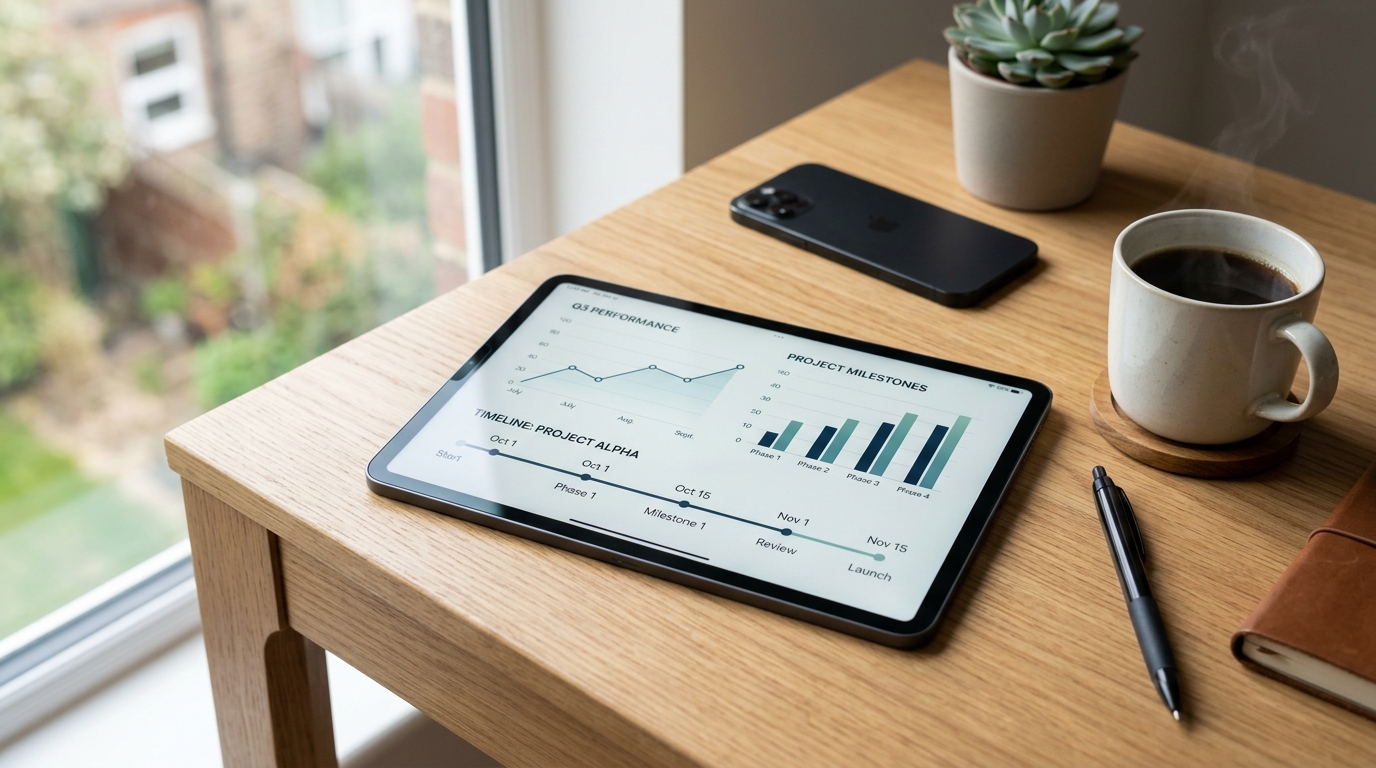
Most developers in the family safety space will hesitate to admit this, but the era of the secret, stealthy digital tracking app is completely dead. As a product developer working closely with artificial intelligence and daily communication frameworks, I review the structural data that proves it. Families no longer want to play digital detective; they want clear, reliable data architecture that helps them understand household screen habits without destroying mutual trust. When measuring digital activity, modern tools like When: WA Family Online Tracker function as multi-platform measurement architectures. They work by aggregating public online statuses into clear session timelines, providing transparent visibility for families rather than hidden surveillance.
Acknowledge the Shift Toward Transparent Measurement
The broader mobile application economy is evolving rapidly, and consumer behavior regarding privacy is maturing along with it. According to Adjust’s recently published “Mobile App Trends 2026” report, global app installs grew by 10% in 2025, with overall session lengths increasing by 7%. But the most telling statistic for those of us building user-centric utilities is this: iOS App Tracking Transparency (ATT) opt-in rates rose to 38% in the first quarter of 2026. Users are increasingly willing to share and analyze data when there is a clear, transparent value exchange.
This macro trend mirrors our own retention milestones perfectly. When families transition from using generic, ad-filled utilities to structured measurement applications, their long-term retention skyrockets. They aren't just looking for a simple counter to check if a child is awake; they want to understand sustained behavioral patterns. As my colleague Emre Yıldırım detailed recently, this tracking behavior is becoming a standard household routine rather than a frantic, one-off check during an argument.

Abandon Unreliable Workarounds and Modified Clients
Many parents initially attempt to monitor household digital habits by manually monitoring a WhatsApp Web or Telegram Web interface on their desktop, waiting for a status indicator to turn green. It is an exhausting and highly inefficient use of time.
Worse still, some individuals resort to downloading modified, unauthorized clients like GB WhatsApp in a misguided attempt to bypass standard privacy settings and see exactly when someone was last active. These are fundamentally flawed solutions. Not only do they violate platform terms of service—often resulting in permanent account bans—but they also pose massive security risks to your own devices. A proper tracking solution should never require you to compromise your phone's fundamental security architecture. It should securely process publicly available status timestamps and translate them into a readable, actionable timeline without requiring risky installations.
Using AI-Driven Analytics for Meaningful Insights
A core theme of the 2026 Adjust report is the transition of artificial intelligence from a strategic novelty to essential infrastructure—specifically, the rise of "AI + Multi-platform Measurement Architecture." Sustainable application utility isn't about raw data extraction anymore; it's about intelligent data synthesis.
If you need to understand how much time your teenager spends switching between the primary Telegram app and other social platforms late at night, raw timestamps are basically useless. You need a system that categorizes these fragmented sessions into a coherent narrative. Much like managing resources in the high-stakes environment of the game The Last of Us, managing digital family dynamics requires you to utilize your tools efficiently, stay aware of the environment, and rely on structured insights rather than chaotic alerts.

Align Your Selection Criteria with Real Needs
To implement this kind of architecture successfully, you must be honest about who the tool is actually for.
- Target User: Busy parents, guardians, and small family units who need to establish and monitor healthy digital boundaries without physically confiscating devices.
- Who it is NOT for: Suspicious partners attempting to secretly monitor a spouse, or employers trying to micromanage the active hours of remote staff. If stealth is your primary requirement, transparent measurement tools will frustrate you.
When selecting your platform, reject any software that promises to "hack" accounts or access private messages. Base your selection criteria entirely on ease of use, uptime reliability, and offline reporting capabilities. If you want actionable visibility into messaging habits, When: WA Family Online Tracker's session timeline is designed for exactly that. It processes the complex, overlapping data streams in the background so you don't have to constantly refresh a chat window.
Expand Your Perspective on Daily Utility
The philosophy of transparent, AI-supported measurement extends far beyond basic messaging analytics. Whether you are mapping location history for physical safety or organizing complex daily workflows, specialized applications are rapidly replacing generic native smartphone features. We observe this constantly across our broader software ecosystem. Tools designed by companies like Frontguard—ranging from advanced family location trackers to AI-driven voice utilities—all operate on the same foundational principle: technology should simplify and clarify our daily interactions, never obscure them.
Stop relying on outdated surveillance mentalities. Embrace the data, prioritize transparency, and use intelligent measurement to foster healthier digital habits.