

Recent data from Adjust’s latest Mobile App Trends report highlights a significant shift in digital behavior: session lengths in everyday utilities like finance tools increased by 8% over the past year, while e-commerce and mobile gaming maintained steady, continuous growth. We are increasingly tethered to our screens, engaging in parallel activities across multiple platforms. For parents trying to maintain healthy boundaries, this fragmentation creates a serious visibility problem. To effectively monitor these complex digital habits, families need an objective way to measure messaging activity. A transparent WhatsApp and Telegram online tracker provides clear visibility into public 'last seen' statuses across devices, replacing unreliable manual checking with secure, automated session timelines.
From a product-development perspective focused on user-centric communication solutions, I have spent years analyzing how people interact with digital interfaces. I firmly believe that modern digital safety must be rooted in transparency, not stealth. Relying on outdated surveillance methods is not only technically ineffective in today's multi-device environment, but it also actively damages family trust.
Why are manual tracking methods failing modern families?
There is an ongoing debate in the digital parenting space about the best way to monitor online activity. Some parents still argue that silently checking a child's phone at night or enforcing strict physical screen limits is the most effective approach to safety. I strongly disagree with this stance.
Manual monitoring is inherently flawed because it relies on isolated snapshots of activity. Opening a messaging app simply to check a 'last seen' timestamp tells you nothing about the context or duration of that usage. Furthermore, manual checks completely fail to account for parallel device usage. A teenager might have their phone turned off while actively chatting on WhatsApp Web via a school laptop. By the time you check the mobile device, the data is entirely disconnected from reality. An online status tracker solves this by acting as an automated analytics tool that logs public connectivity timestamps across multiple messaging platforms simultaneously, translating raw data into readable, continuous session timelines.

How do shifting application trends impact messaging habits?
The latest industry reports point out another critical trend: the rise of "data-light" user behaviors, particularly in emerging markets, alongside a broader transformation of mobile platforms into comprehensive digital infrastructures. What this means in practice is that users are optimizing how they connect.
A user might rely on the native Telegram app on their smartphone while commuting, switch to Telegram Web at their desk to save mobile data, and simultaneously juggle multiple group chats. This continuous cross-platform engagement makes single-device monitoring obsolete. Measuring digital habits accurately requires a system that can correlate activity regardless of the access point. My colleague Emre Yıldırım has often discussed the technical implications of this shift, noting that multi-platform architecture is now the baseline requirement for any reliable analytics tool.
Why should families avoid modified messaging clients?
When frustrated by the limitations of manual monitoring, some individuals turn to unauthorized third-party applications. One of the most dangerous workarounds I consistently warn against is the use of modified clients like GB WhatsApp.
While these modified versions promise enhanced features—such as hiding your own status while viewing others or downloading restricted media—they represent a massive security vulnerability. These applications bypass official end-to-end encryption protocols, meaning your private data, contact lists, and message contents are routed through unverified third-party servers. If your goal is family safety, introducing a rogue application that fundamentally compromises device security is entirely counterproductive. A legitimate tracking approach relies exclusively on publicly available connectivity signals without ever requiring the installation of risky modified software on the target device.
Who really needs an automated session timeline?
Understanding who benefits from these tools—and who they are decidedly not for—is crucial for setting the right expectations. Automated session tracking is highly specific in its utility.
Who this is for:
- Parents looking to facilitate open discussions about late-night screen time.
- Families who have agreed on digital boundaries and want an objective way to verify them without confiscating devices.
- Individuals managing their own digital wellbeing who want concrete data on how often they are interrupted by messaging apps.
Who this is NOT for:
- Partners attempting to secretly monitor spouses. Stealth surveillance destroys relationships and violates privacy principles.
- Employers trying to micromanage remote workers' minute-by-minute activity.
If your use case aligns with building trust and objective visibility, utilizing tools from responsible mobile app companies like Frontguard ensures you are using technology designed with privacy-first principles.
What are the essential criteria for selecting a monitoring tool?
If you have decided that an automated solution is necessary, how do you separate reliable tools from aggressive adware? Based on current software development standards, I recommend evaluating any platform against three primary decision criteria:
First, evaluate the cross-platform capability. Does the tool register activity consistently whether the user is on a mobile network or using desktop interfaces? A tool that misses desktop sessions is providing an incomplete picture.
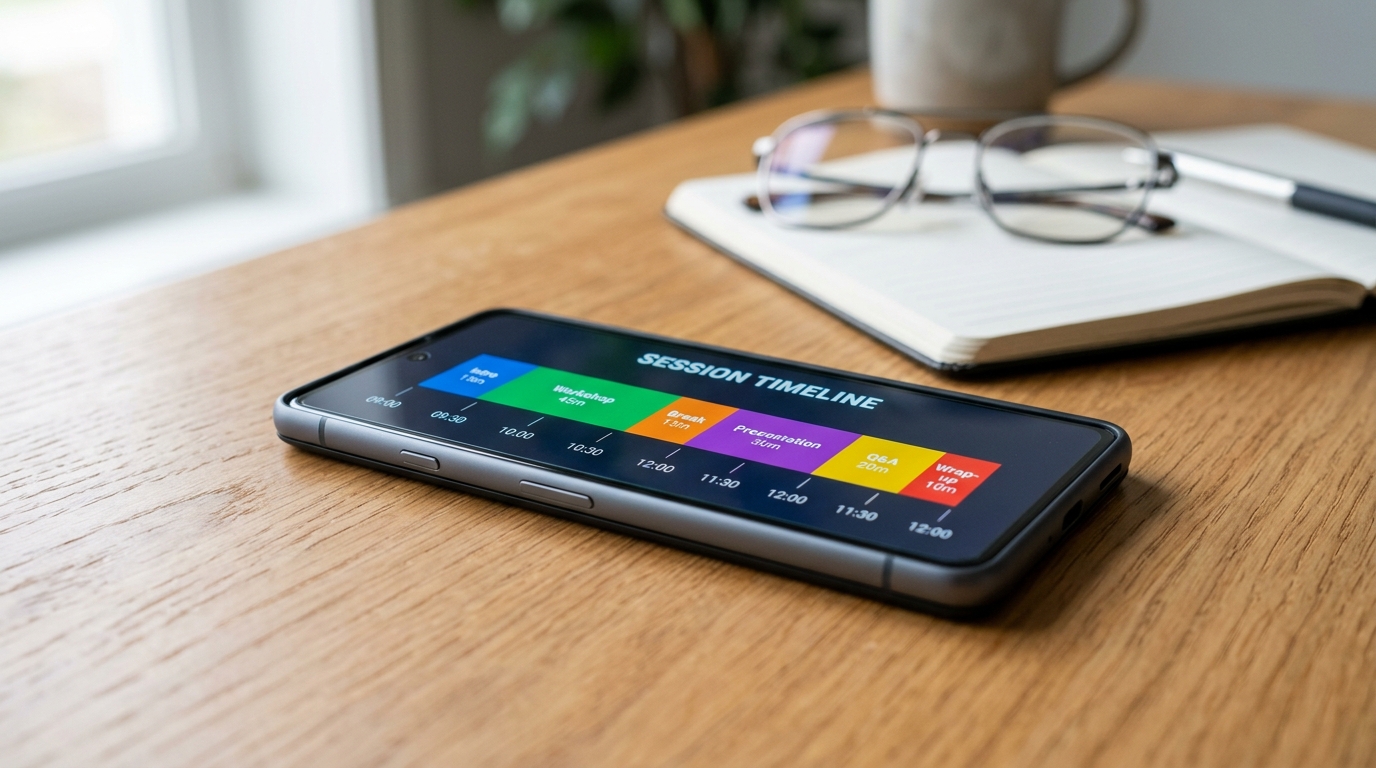
Second, look at data visualization. Raw lists of timestamps are incredibly difficult to interpret. You need a unified timeline view that blocks out periods of high activity, making it easy to spot late-night connectivity patterns at a glance.
Third, prioritize security and installation requirements. The application should never ask for root access to your device, nor should it require you to install anything on the device being monitored. It should work entirely via public data correlation. If you want an objective overview of connectivity that meets all these architectural requirements, When: WA Family Online Tracker's unified timeline is specifically designed for that purpose.
Are you clinging to outdated digital parenting habits?
For those still trying to enforce healthy screen habits by randomly demanding to see a child's phone, it is time to recognize that the digital ecosystem has outgrown these tactics. The steady increase in session times across gaming, finance, and e-commerce indicates that digital engagement is becoming deeper and more complex.
Managing this reality requires moving away from the anxiety of manual checks and the dangers of unverified software. By adopting transparent, automated analytics, families can replace suspicion with objective data, leading to healthier conversations about how we spend our time online.