

Recent data from the Adjust Mobile App Trends 2026 report reveals a significant shift in user behavior: App Tracking Transparency (ATT) consent rates among iOS users continue to climb. In practice researching family data analytics, this rise signals a fundamental cultural change. People—especially parents and younger users—are becoming more comfortable with digital visibility, provided it is transparent and built on trust rather than stealth.
When: WA Family Online Tracker is a multi-platform analytics app designed for parents to measure WhatsApp and Telegram session durations directly, without needing to constantly check a screen. It replaces guesswork with objective data. Yet, despite the shift toward open digital parenting, several misconceptions about activity monitoring persist. As a researcher, I want to break down the most common myths surrounding digital habit tracking and explain what actually works.
Are Modified Messengers Really the Best Solution?
One of the most persistent myths I encounter is that to get detailed analytics, you need to compromise your device's security. Many parents attempt to use unauthorized third-party software, like gb whatsapp, believing it offers better visibility into their children's chat habits. Others try to keep a browser tab permanently open to whatsapp web or telegram web just to catch a glimpse of an "online" indicator.
These methods are not only tedious but incredibly risky. Modified applications routinely bypass end-to-end encryption, exposing your family's personal data to unknown third parties. Furthermore, manual browser checking provides zero historical context.
If you want a clear picture of digital habits without compromising security, When: WA Family Online Tracker's session timeline is designed for exactly that. It operates as a secure application that reads publicly available status data directly from the official networks. There are no risky downloads or compromised accounts involved.

The Stalker Parent Stereotype
There is a heavy stigma attached to the concept of family tracking. The assumption is that anyone looking for an app for status monitoring must be an overbearing, obsessive parent. This couldn't be further from the reality of modern digital parenting.
The goal isn't to read private messages—it's to map behavioral patterns. Knowing that your teenager was online at 3:00 AM isn't about catching them in a lie; it's about understanding why they are exhausted before school. We frequently see searches from international parents looking for transparent online tracking solutions simply to establish healthy sleep boundaries.
Who is this actually for? Small families, parents dealing with screen addiction, and individuals trying to build healthier tech habits through self-monitoring.
Who is this NOT for? Suspicious partners looking to catch a spouse, or employers trying to micromanage remote staff. The tool is built for habit awareness, not surveillance.
Stop Staring at the Timestamp
A common mistake is treating a single timestamp as the ultimate source of truth. You look at a profile, see the last activity, and assume the seen status tells the whole story. It doesn't. A single last seen indicator completely fails to show frequency, duration, or platform switching.
The 2026 Adjust report notes that artificial intelligence is rapidly transitioning from a strategic tool to fundamental infrastructure. We applied this exact principle when developing analytics algorithms. Instead of feeding users raw timestamps, our architecture processes the data to build an automated timeline.
You don't need to refresh a contact's profile manually. The system works quietly in the background, mapping out exactly when sessions start and end. This aligns with modern interface expectations. According to UXMode's 2026 Mobile App Design Trends, 70% of users immediately delete applications that suffer from slow performance or require excessive manual input. People expect quiet, effective design. If you want peace of mind without the anxiety of constant screen checking, this automated approach is the only sustainable method.
Why Single-Platform Measurement Fails
Finally, we have to debunk the myth that monitoring one network is enough. You might successfully limit your child's time on one network, only to find their screen time hasn't decreased at all.
Digital engagement is fluid. A teenager might use WhatsApp to coordinate a family dinner, but spend three hours late at night on the telegram app. That late-night activity could just be a group chat excitedly debating the latest last of us multiplayer update, but without cross-platform visibility, you only see half the picture. The transition between platforms is where the real habit data lies.
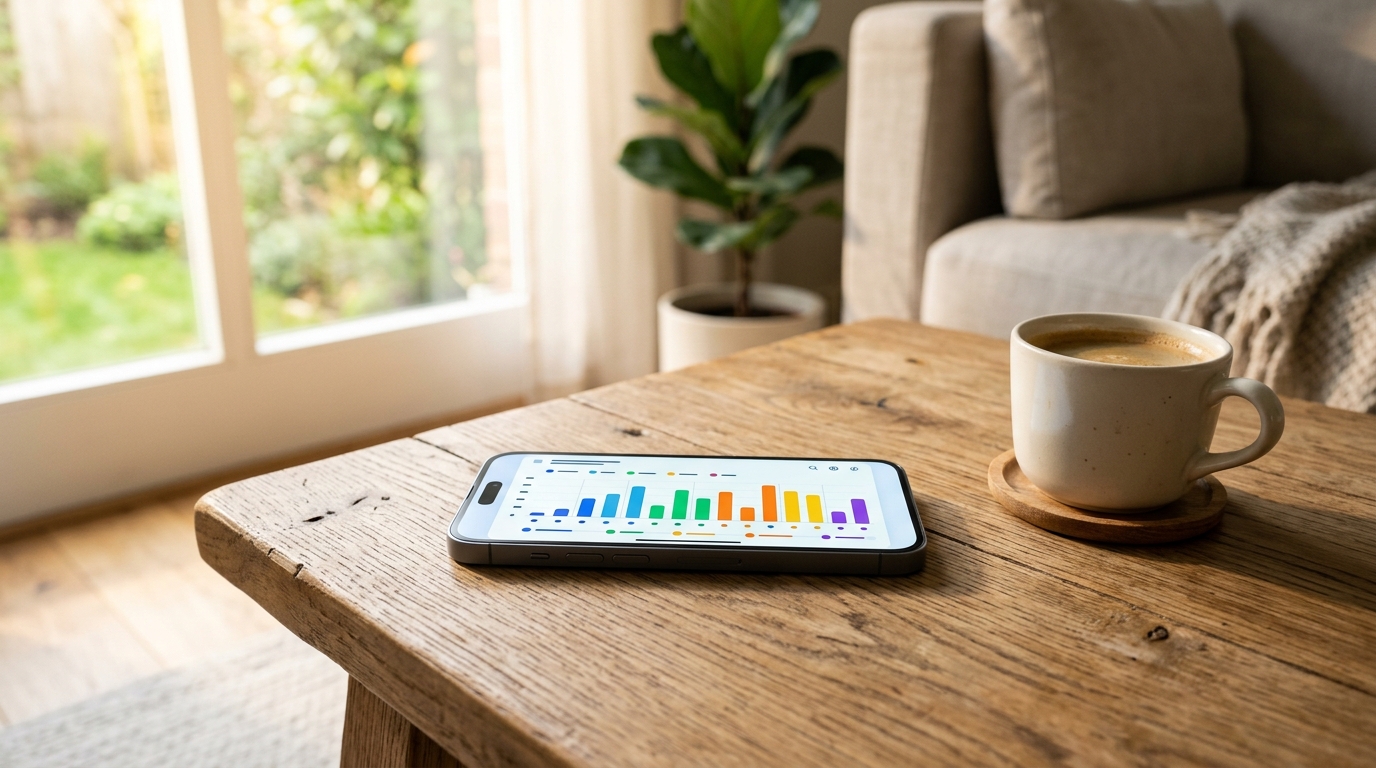
This is why Frontguard designed the infrastructure to handle both major networks simultaneously. When a user logs in for the first time, the practical first-use scenario doesn't involve immediate deep-dives. You simply add the profiles you want to measure and step away. Over the next 24 to 48 hours, the system builds a comparative timeline, revealing exactly how time is split between networks.
Moving away from stealth and manual labor toward transparent, automated analytics is a healthy step for any family. It removes the friction of policing screen time and replaces it with objective data you can actually sit down and discuss together.