

The Era of Single-Purpose Utilities is Over
Blindly downloading single-purpose tracking tools is no longer a viable strategy. In 2026, the mobile app ecosystem has definitively shifted away from isolated utilities toward AI-driven, multi-platform measurement architectures. For families managing digital habits, this means accurately tracking WhatsApp and Telegram activity now requires unified analytics rather than simple 'last seen' counters.
As a software engineer who has spent the last eight years building mobile architectures for family safety, I have watched this transition happen in real-time. We are no longer in a phase where a basic script pinging a server is enough. Users demand precision, speed, and cross-device visibility. The fundamental mechanics of how we measure online presence have matured, and the data backing this shift is impossible to ignore.
What the 2026 Market Data Reveals
We are operating in a remarkably active mobile economy. According to the Adjust 'Mobile App Trends 2026' report, global app installs grew by 10% in 2025, and overall user sessions increased by 7%. Total consumer spend climbed by 10.6% to reach a staggering $167 billion. People are engaging with their devices more frequently and deeply than ever before.
But with this increased engagement comes a drastically lower tolerance for poor engineering. Industry-standard native app performance analyses show that 70% of users will delete a slow or poorly optimized app after a single use. For developers in the digital safety space, this is a clear directive. You cannot ship a clunky interface that drains battery life while trying to monitor a Telegram app installation. The infrastructure must be invisible, fast, and highly accurate.
Why Isolated Tracking Methods Are Failing
To understand where we are going, you have to look at what families used to rely on. A few years ago, parents desperate to understand their children's digital habits might have resorted to installing modified clients. These unauthorized modifications promised extended visibility but introduced severe security vulnerabilities and frequently broke whenever the core platform updated its protocol.
More importantly, these isolated methods failed to capture the reality of modern communication. A teenager today does not just chat on one device. They might begin a conversation on their smartphone, continue it via WhatsApp Web while doing homework on a laptop, and drop a file into Telegram Web from a family tablet later that evening. Relying on a single device's status gives you fragmented, highly misleading data.
My colleague Kaan Demir has discussed extensively why multi-platform measurement is replacing single-app tracking. If your measurement architecture cannot stitch together sessions across mobile and desktop environments, you are fundamentally misreading the user's digital footprint.
Navigating the Landscape Without a Map
Attempting to guide a family's digital well-being without clear, unified data feels a bit like navigating an unpredictable environment without a map. You might be reacting to immediate problems as they arise, but you are lacking a reliable overview of the digital environment around you. Parenting in the connected age should not be a reactive struggle; it requires objective data to foster healthy, informed conversations.
The Transition to Foundational AI
The Adjust 2026 report highlighted another critical point: artificial intelligence is transitioning from an optional feature into foundational infrastructure. In the context of online status analysis, AI is what allows us to process thousands of fragmented data points—a ping from a phone, a brief connection from a browser—and turn them into a cohesive timeline.
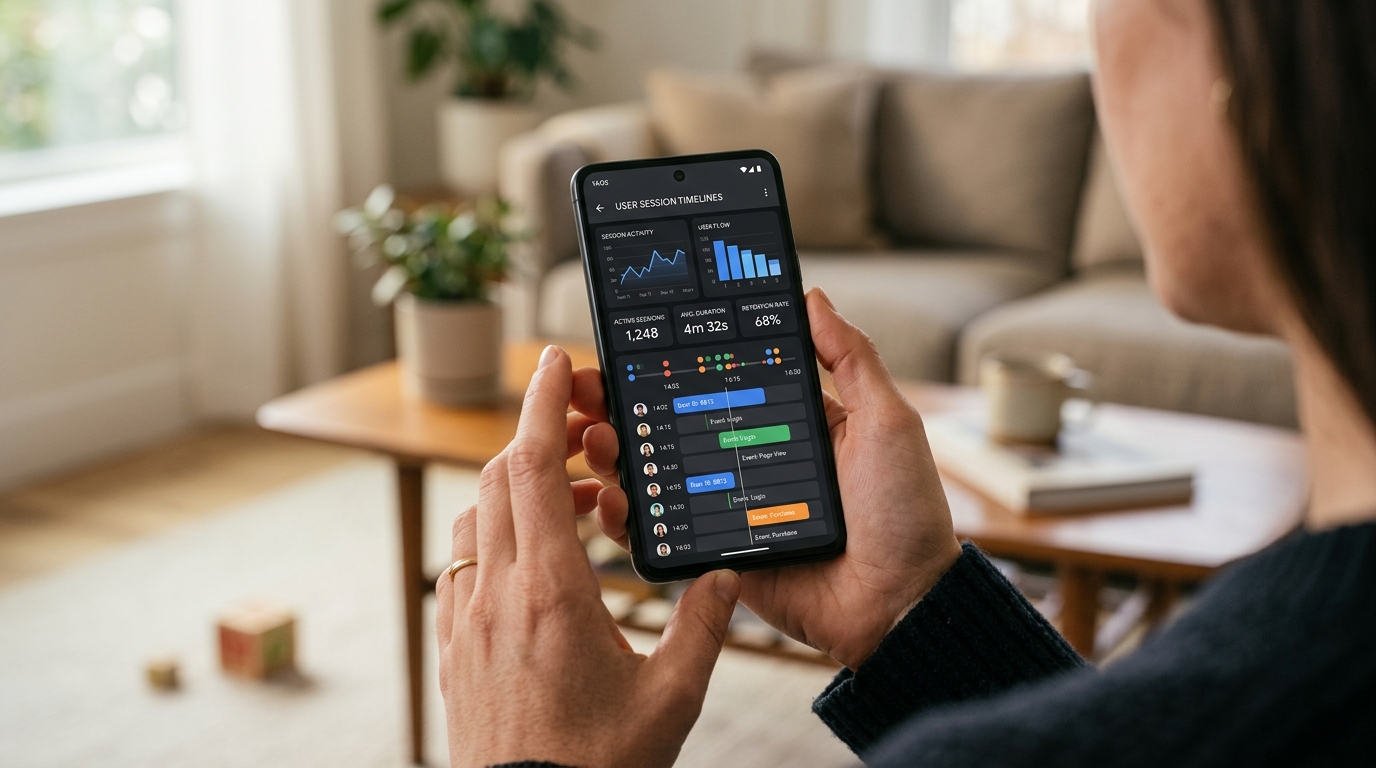
When my team and I develop solutions, this AI-driven timeline is the core focus. If you want to understand complex digital behavior without constantly refreshing a screen, When: WA Family Online Tracker is designed exactly for that purpose. By utilizing multi-platform architecture, it transforms raw data into a readable session timeline, eliminating the guesswork of figuring out when and how long someone was active across their various devices.
The Rising Acceptance of Transparent Measurement
Perhaps the most encouraging trend I have observed is the shift in user psychology regarding data privacy and consent. For years, the industry assumed users would inherently reject tracking. Yet, the Adjust report notes that iOS App Tracking Transparency (ATT) opt-in rates steadily rose from 35% in the first quarter of 2025 to 38% in early 2026.
This upward trend tells a fascinating story. Users are increasingly willing to share data when there is a clear, transparent exchange of value. The culture of secret surveillance is fading. Modern families are treating activity measurement as a practical, shared utility rather than a stealth operation. As Burak Aydın detailed in his analysis of what 2026 retention data reveals about healthy digital parenting, long-term user retention is highest among apps that promote transparency.

Building Trust Through Reliable Architecture
Developing for this new standard requires a commitment to engineering excellence. Companies that build a diverse portfolio of reliable utilities understand this deeply. For instance, the broader ecosystem at Frontguard reflects this philosophy. Whether developing tools for finding family locations, recording crucial voice notes, or mapping online habits, the underlying principle is the same: the technology must work flawlessly in the background without degrading the user experience.
We are past the point where a simple 'last seen' timestamp provides meaningful value. Digital habits in 2026 are complex, multi-layered, and spread across various hardware ecosystems. As developers, our responsibility is to build architectures capable of accurately measuring this reality. For users, the responsibility is to choose tools that respect this complexity, leaving behind outdated hacks in favor of unified, intelligent analytics.