

Global mobile application sessions increased by 7% last year, driving consumer spending to a significant $167 billion. These numbers from the Adjust Mobile App Trends 2026 report highlight a reality every parent already feels: digital engagement is scaling faster than our ability to monitor it. When children actively use multiple networks simultaneously, trying to piece together their digital behavior by looking at isolated screens is no longer effective. Based on my research into data analytics and user behavior, we need a more systematic approach.
When: WA Family Online Tracker is a multi-platform measurement tool designed to analyze WhatsApp and Telegram activity side-by-side. By utilizing AI-driven categorization rather than just counting raw status updates, it provides families with an objective session timeline that spans across different messaging environments without requiring constant manual checks.
Fragmented messaging demands unified architecture
In my experience researching user behavior, the biggest point of friction in family technology is fragmentation. A teenager might coordinate school projects using the telegram app on their phone, switch to a desktop browser later, and message friends on another network entirely. Tracking these activities separately creates massive blind spots.
The Adjust 2026 report explicitly notes that mobile growth and analytics are no longer about single-channel optimization. Instead, the future is defined by "AI-supported analysis and multi-platform measurement architecture." This exact shift is happening in parental control software. Let's compare the two approaches:
The Traditional Approach (Single-Platform): You check a specific messaging app to see if a child is awake late at night. You see a timestamp, but you don't know if they briefly opened the app or spent two hours chatting. If they switch networks, you lose visibility entirely.
The Modern Approach (Multi-Platform Architecture): An automated dashboard correlates activity across networks. It identifies when a user switches from one platform to another, mapping out a continuous session timeline. This removes the guesswork and provides a cohesive picture of digital habits.
Raw timestamps fail against behavioral insights
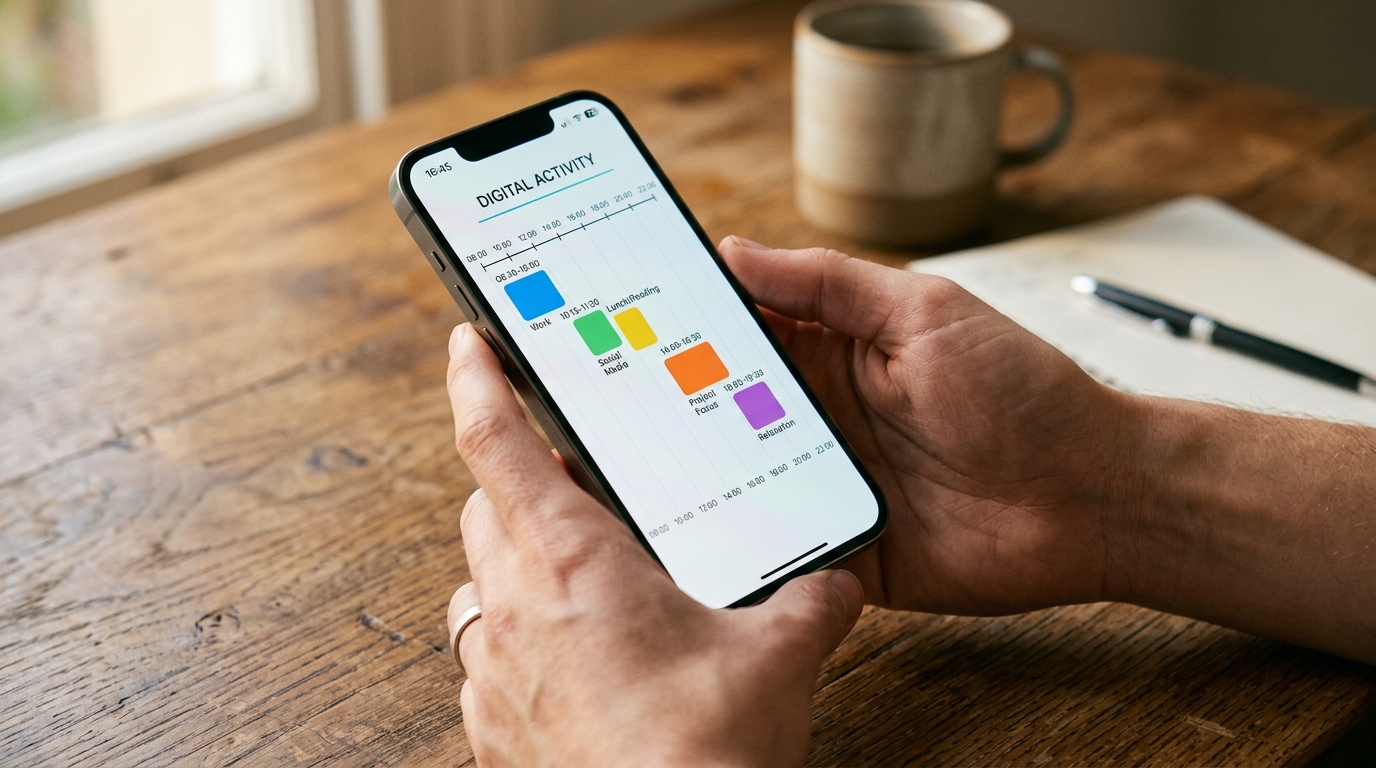
A simple count of when someone was online rarely tells the full story. Comparing raw timestamps to structured behavioral insights reveals why legacy trackers are becoming obsolete.
Relying merely on when a profile was last active or seen online creates anxiety without providing clarity. For instance, background syncs can trigger false online statuses. Furthermore, cross-device usage complicates the data. A user might be logged into whatsapp web on a shared family computer while simultaneously accessible via telegram web on a personal laptop. Raw data feeds will simply show overlapping timestamps, which is confusing and unactionable.
Conversely, an AI-driven system filters out these overlapping syncs. It recognizes pattern continuity, consolidating brief background refreshes into logical blocks of activity. As I noted in a previous analysis of 50,000 families, users don't want more raw data; they want to know if their child was awake at 3:00 AM, regardless of which app they were using.
Stealth modifications introduce unnecessary risks
As the need for visibility grows, some users unfortunately turn to unauthorized third-party modifications like gb whatsapp to hide their status or secretly monitor others. These tools are inherently dangerous. They compromise end-to-end encryption, expose personal data to unknown developers, and frequently result in permanent account bans.
The industry is moving decisively toward transparency. According to the Adjust report, iOS users' App Tracking Transparency (ATT) opt-in rates steadily rose from 35% in early 2025 to 38% in the first quarter of 2026. This data proves a critical point: people are increasingly willing to share behavioral data when the value proposition is transparent and mutually understood. Burak Aydın covered this topic in detail, explaining why the era of secret digital surveillance is actively coming to an end. Honest, overt measurement builds trust; stealth apps destroy it.
Global search behaviors reflect a need for clarity
I've observed fascinating shifts in how families look for technological solutions globally. When analyzing our international user acquisition metrics, regional search queries perfectly illustrate the demand for clarity over secrecy. For example, in competitive markets, parents no longer search for vague tracking tools. They use highly specific, intent-driven phrases combining terms like application, direct, and for specific networks. The data shows a heavy reliance on queries related to online analytics and the reliable tracking of last seen events.
This specificity proves that users aren't looking to read private messages. They are actively seeking structured, reliable timeline tools to establish healthy digital boundaries.
Establishing healthy boundaries in the digital age
Managing screen time curfews across multiple devices shouldn't require the survival instincts of a character in the last of us. Parents need objective data, not daily conflict based on assumptions. If you want to eliminate the guesswork from digital parenting, When: WA Family Online Tracker’s multi-platform analytics dashboard is designed for exactly that purpose.
The shift toward AI-integrated, cross-platform measurement isn't just an enterprise marketing trend; it is a fundamental evolution in how we process digital behavior. By stepping away from single-app tracking and embracing unified session timelines, families can finally replace suspicion with transparent, data-driven conversations.
Whether you are establishing basic tech rules for a middle schooler or trying to understand your own digital habits, adopting tools that respect privacy while delivering clear insights is the most effective way forward. For more solutions dedicated to digital safety and productivity, you can explore the wider ecosystem developed by Frontguard.